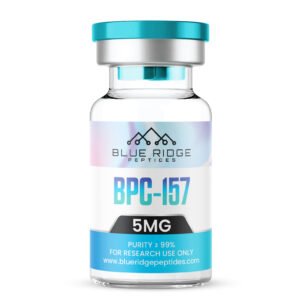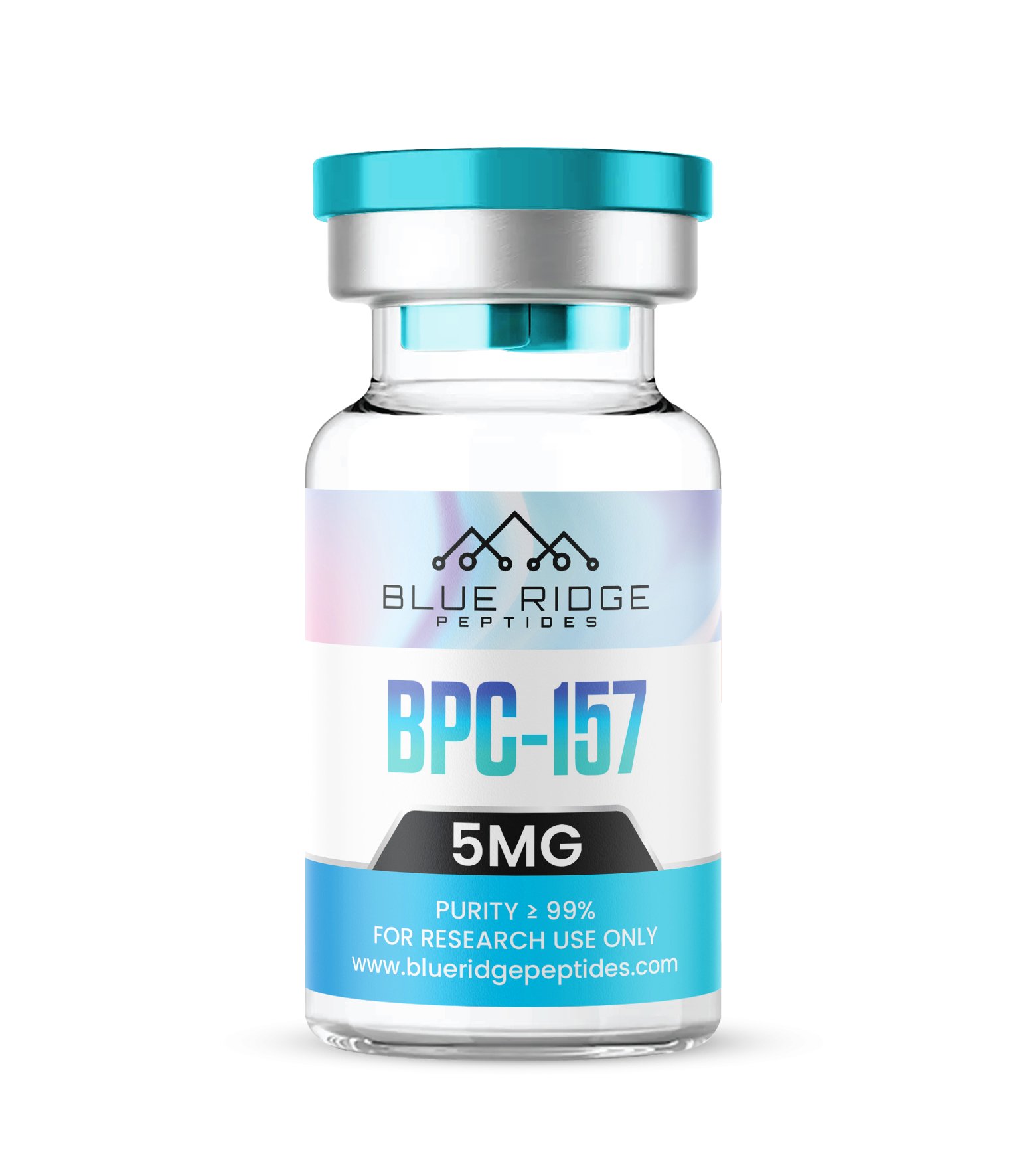
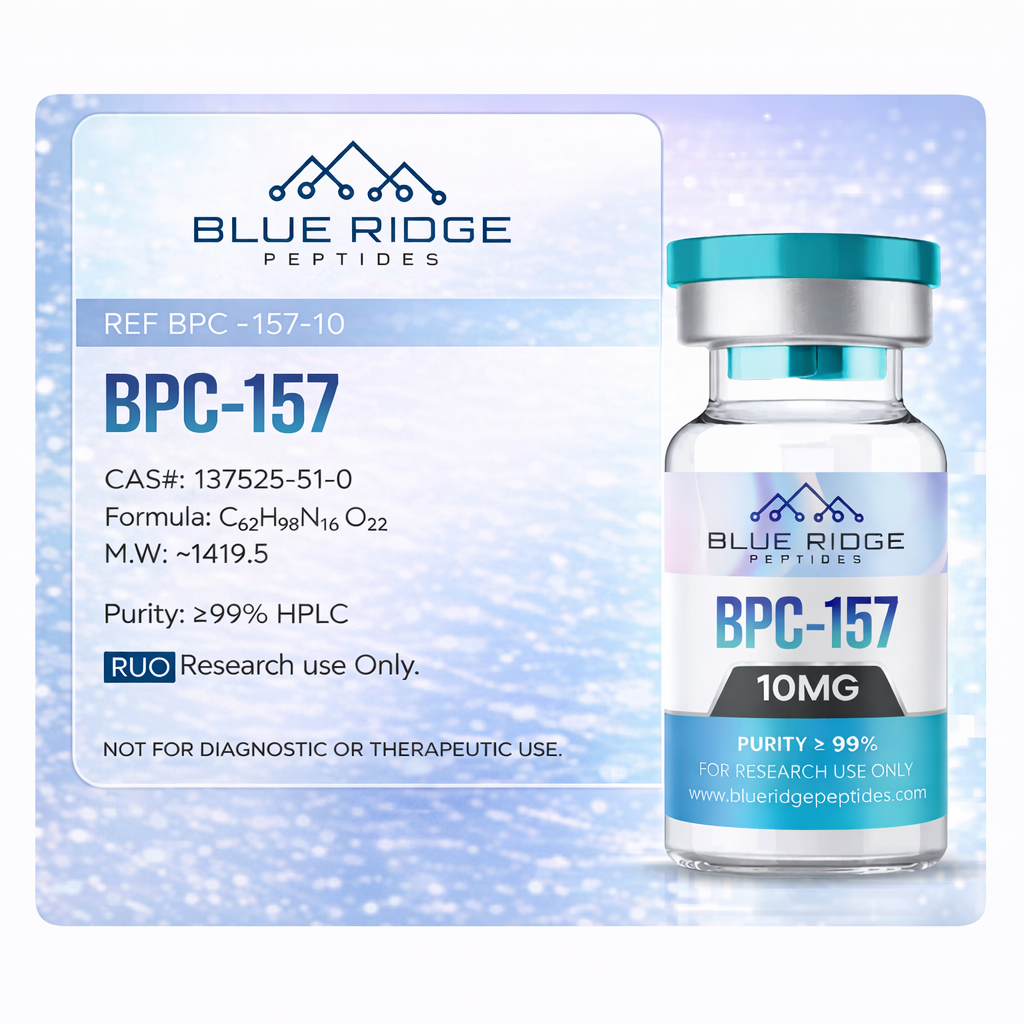
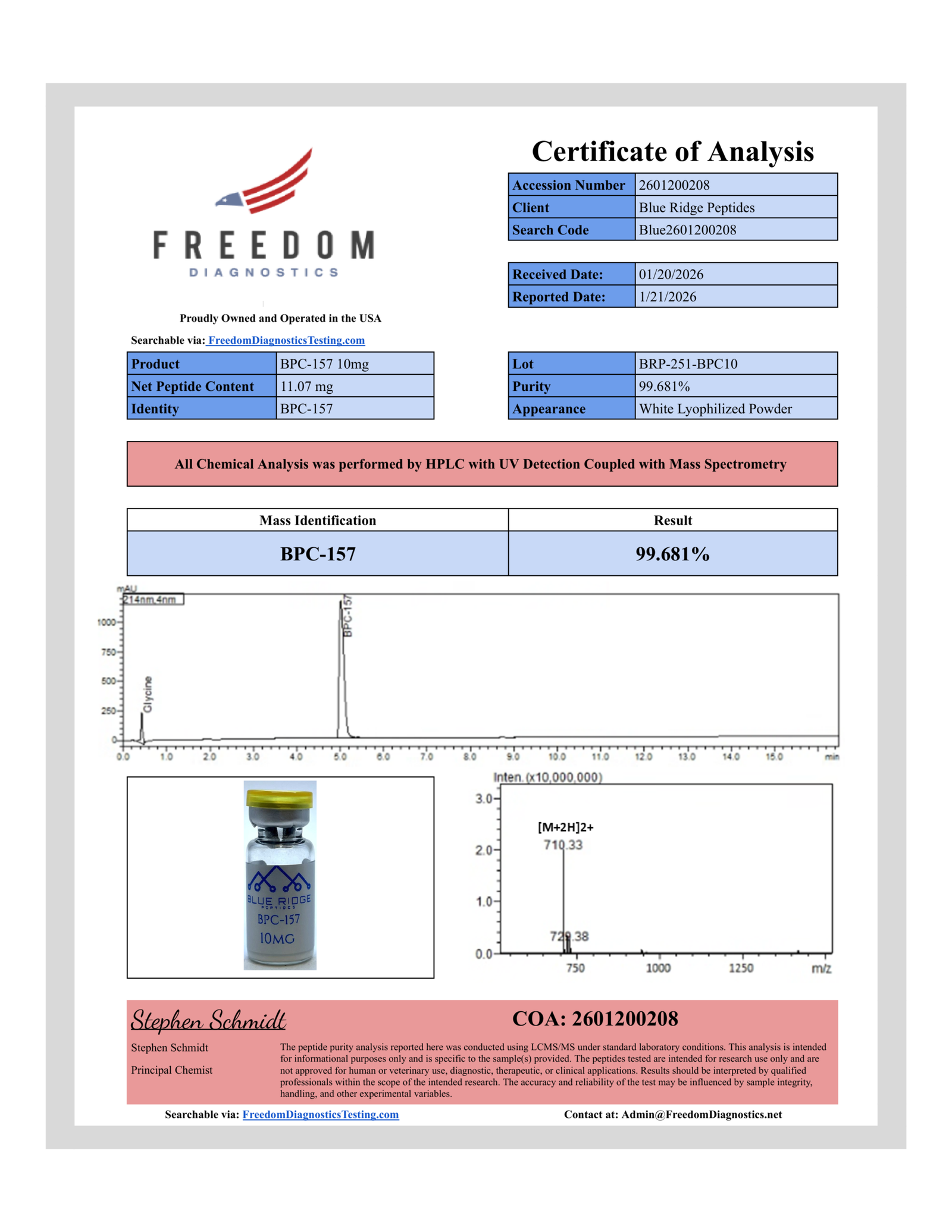
BPC-157 10MG
BPC-157 is a research-grade peptide studied in laboratory settings for its interaction with tissue response, inflammatory signaling, and cellular repair pathways. Supplied exclusively for in-vitro research use.
$45.00 Original price was: $45.00.$35.00Current price is: $35.00.
Availability: In stock
Availability: In stock
⚠️ RESEARCH USE ONLY
This product is for R&D purposes only and is not approved for human or veterinary use.
BPC-157 – Research Grade Peptide
BPC-157 is a synthetic research peptide originally derived from a naturally occurring protein fragment identified in gastric tissue. In scientific literature, it is primarily examined for its role in cellular signaling, tissue interaction, and regenerative pathway research within controlled laboratory environments.
In non-clinical research models, BPC-157 has been studied for its interaction with cellular repair mechanisms, inflammatory signaling pathways, and angiogenesis-related processes. Due to its apparent stability and activity in experimental systems, it has become a frequently referenced compound in peptide research focused on tissue integrity and recovery dynamics.
Unlike compounds designed for systemic endocrine modulation, BPC-157 is typically explored in localized or pathway-specific research frameworks. This allows investigators to evaluate cellular responses, signaling cascades, and molecular interactions without introducing broader hormonal variables.
Blue Ridge Peptides supplies BPC-157 strictly for laboratory research, analytical testing, and in-vitro scientific investigation. This material is not intended for human or animal use and is not approved for therapeutic or diagnostic applications.
For research use only. Not for human or animal consumption.
BPC-157 – Research Grade Peptide
BPC-157 is a synthetic research peptide originally derived from a naturally occurring protein fragment identified in gastric tissue. In scientific literature, it is primarily examined for its role in cellular signaling, tissue interaction, and regenerative pathway research within controlled laboratory environments.
In non-clinical research models, BPC-157 has been studied for its interaction with cellular repair mechanisms, inflammatory signaling pathways, and angiogenesis-related processes. Due to its apparent stability and activity in experimental systems, it has become a frequently referenced compound in peptide research focused on tissue integrity and recovery dynamics.
Unlike compounds designed for systemic endocrine modulation, BPC-157 is typically explored in localized or pathway-specific research frameworks. This allows investigators to evaluate cellular responses, signaling cascades, and molecular interactions without introducing broader hormonal variables.
Blue Ridge Peptides supplies BPC-157 strictly for laboratory research, analytical testing, and in-vitro scientific investigation. This material is not intended for human or animal use and is not approved for therapeutic or diagnostic applications.
For research use only. Not for human or animal consumption.
Research Overview
BPC-157 is commonly examined in preclinical and in-vitro research models investigating tissue response, cellular resilience, and inflammatory signaling. Experimental literature suggests that this peptide interacts with multiple biological pathways associated with cellular organization and recovery under controlled conditions.
Key Research Focus Areas
- Tissue Interaction Studies: Investigated for its role in cellular organization, structural integrity, and repair-related signaling.
- Inflammatory Pathway Research: Used to study modulation of inflammatory markers in controlled experimental systems.
- Angiogenesis Research: Examined for its interaction with vascular-related signaling pathways in laboratory models.
- Gastrointestinal Research Models: Studied due to its origin from gastric protein fragments and observed stability in acidic environments.
- Cell Signaling Analysis: Utilized to explore nitric oxide–related and growth factor–associated pathways without direct hormonal activation.
Because BPC-157 is studied across multiple experimental domains, it is frequently used as a tool compound for investigating cross-talk between inflammatory, vascular, and tissue-level signaling systems in non-clinical research.
Research Applications
- In-vitro tissue and cellular response studies
- Preclinical models examining recovery-related signaling pathways
- Inflammation and cytokine signaling research
- Vascular and endothelial interaction studies
- Gastrointestinal cellular integrity research
All observed effects referenced in scientific literature are derived from experimental and preclinical research models and should not be interpreted as clinical or therapeutic outcomes.